California Fast-Tracks 300 Wildfire Projects in 300 Days

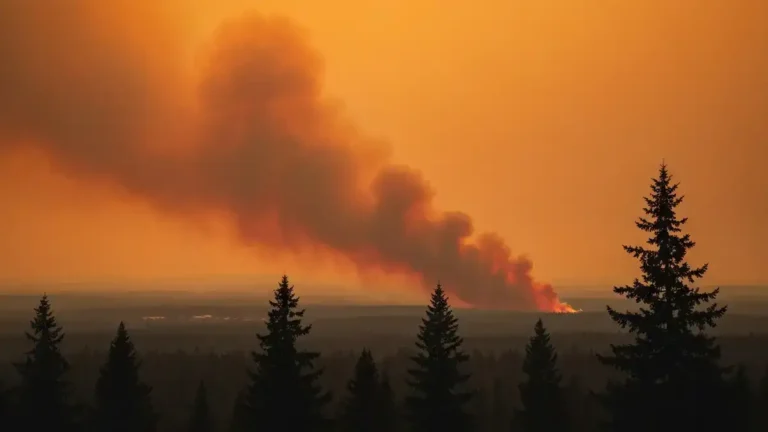
California’s wildfire fast-track projects have hit a milestone that would have been unthinkable under the state’s old permitting timeline: 300 fuel reduction and forest management projects approved across nearly 57,000 acres in 300 days. That pace — cutting regulatory approval times from more than a year down to as little as 30 days — represents a structural change in how quickly fire-resilient landscapes can actually be built. For forest managers, timber contractors, and prescribed fire practitioners working in California, the implications reach well beyond one announcement.
300 Projects, 300 Days: A Landmark Wildfire Milestone
The numbers are striking on their own: more than 300 wildfire safety projects approved across nearly 57,000 acres of California in the span of 300 days. But the more telling figure is the one that sits behind that count — what it used to take to get a single project approved.
Before the emergency fast-track program, wildfire prevention and forest management projects routinely spent a year or more working through state regulatory review. Environmental assessments, agency sign-offs, permitting queues — each step individually defensible, but collectively forming a bottleneck that left fuel loads accumulating in the landscape while approvals sat in the pipeline. California’s forests weren’t waiting for funding or expertise. They were waiting for paperwork.
The 300-day milestone, announced on March 20, 2026, is the first major public accounting of what the fast-track program has produced at scale. It is also not California’s first data point on regulatory acceleration. By April 2025 — roughly one year into the broader effort to cut green tape across state environmental programs — California had already fast-tracked more than 500 projects that collectively restored nearly 200,000 acres and improved 700 miles of streams. The wildfire-specific fast-track represents a focused subset of that larger regulatory shift, applied with particular urgency to fire-risk reduction work.
Newsom’s Emergency Proclamation: What It Changed
The legal mechanism behind the 300-day milestone is Governor Newsom’s emergency proclamation on wildfire-prone forests, signed in March 2025 — approximately one year before the March 20, 2026 announcement. That declaration unlocked the authority to streamline environmental review for qualifying wildfire safety projects, compressing a process that previously took well over a year into one that can now be completed in as little as 30 days.
Critically, the proclamation did not waive environmental review. It reorganized and accelerated it — maintaining the substantive safeguards while eliminating redundant steps, overlapping agency review periods, and sequential processes that could be run in parallel. The result is a program where projects move faster not because oversight has been reduced, but because the machinery handling that oversight has been rebuilt for speed.
Governor Newsom framed the intent plainly at the time:
“When we created this fast‑track forest management program, the goal was simple: cut through bureaucracy, honor our commitment to environmental values, and move faster to protect Californians from catastrophic fire. This order grants communities, tribes, and land managers additional time to get projects in the door so we can use the full rainy season for safe, science‑driven fuels reduction and beneficial fire.”
— Governor Gavin Newsom, Governor of California
The proclamation also expanded who could bring projects forward. Communities, tribes, resource conservation districts, utilities, and private land managers are all eligible to submit under the fast-track pathway — a deliberate broadening of the program’s reach beyond state-managed lands.

What “Fast-Tracking” Actually Means on the Ground
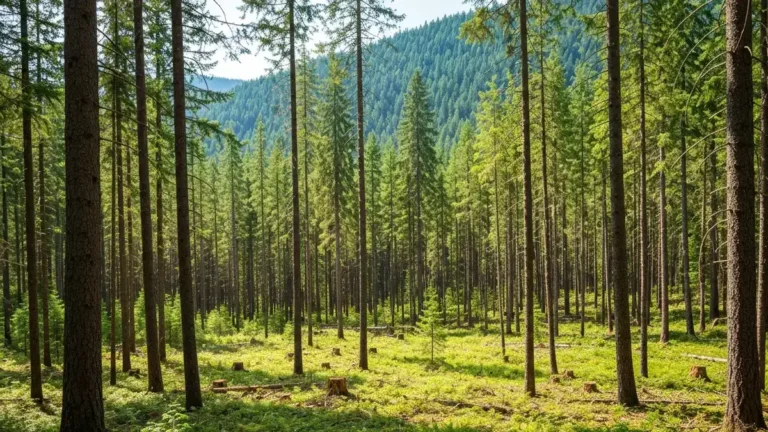
The 300 approved projects span a range of intervention types, with fuel reduction treatments, prescribed burns, and forest thinning forming the core of the work. These are not exotic or experimental techniques — they are well-established forestry practices that land managers across the western United States have used for decades. What the fast-track program changes is not what gets done, but how quickly the authorization to do it arrives.
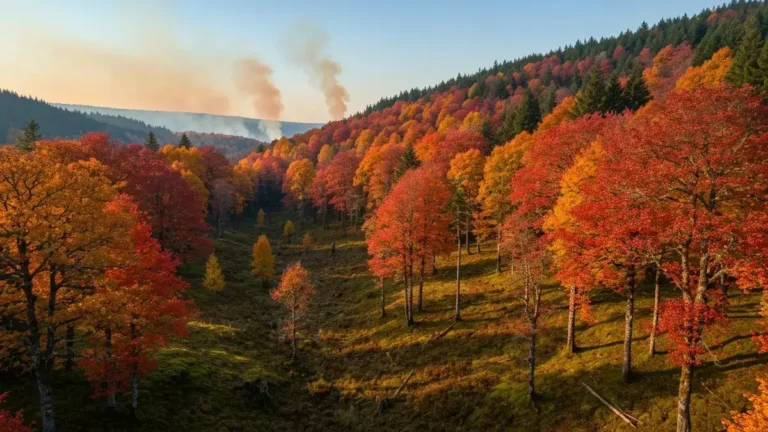
Prescribed fire — including both agency-managed burns and Indigenous cultural burns — features prominently in the program’s project mix. Cultural burns, practiced by California tribal nations for centuries as a land stewardship tool, have increasingly been recognized within the state’s regulatory framework as both effective and eligible for fast-track consideration. Their inclusion reflects a broader shift in how California is approaching fire resilience: not purely as a suppression problem, but as a land management question with deep roots in Indigenous practice.
The California Wildfire & Forest Resilience Task Force — the interagency body coordinating the state’s fire resilience strategy — held a Sierra Nevada regional meeting on March 19, 2026, one day before the 300-day announcement, with project implementation and program coordination on the agenda. The Task Force has also released statewide LiDAR datasets mapping vegetation and fuel accumulation across more than 100 million acres of California, providing the scientific foundation for prioritizing where fast-tracked projects go.
Why This Matters for Forestry Beyond California
California is not the only western state sitting on a backlog of wildfire prevention projects awaiting regulatory clearance. Oregon, Washington, Montana, Idaho, and Colorado all manage significant areas of fire-prone forest where fuel accumulation has outpaced the rate of approved treatment. The California model — emergency authority to restructure review timelines without eliminating substantive oversight — is being watched closely by forestry agencies, tribal land managers, and industry stakeholders across the region.
For the forestry sector specifically, the fast-track program has downstream effects that extend beyond the approved project count. Faster project approvals mean faster timber sales associated with hazardous fuel removal, faster contracting cycles for private forestry operators carrying out the treatments, and a more predictable pipeline of work for equipment operators, crews, and service providers who depend on that project flow. A 30-day approval window changes the economics of bidding on this work in ways that a year-long approval window does not.
Whether other states adopt analogous emergency authority mechanisms — or whether California’s model survives legal challenge and becomes a durable template rather than a temporary emergency measure — remains to be seen. What the 300-day milestone demonstrates is that the bottleneck was not technical or financial. It was procedural. And that, at least, is a problem with a known solution.