International Paper Temporarily Suspends Pine Hill, Alabama Mill After Weather Damages Roof Structure
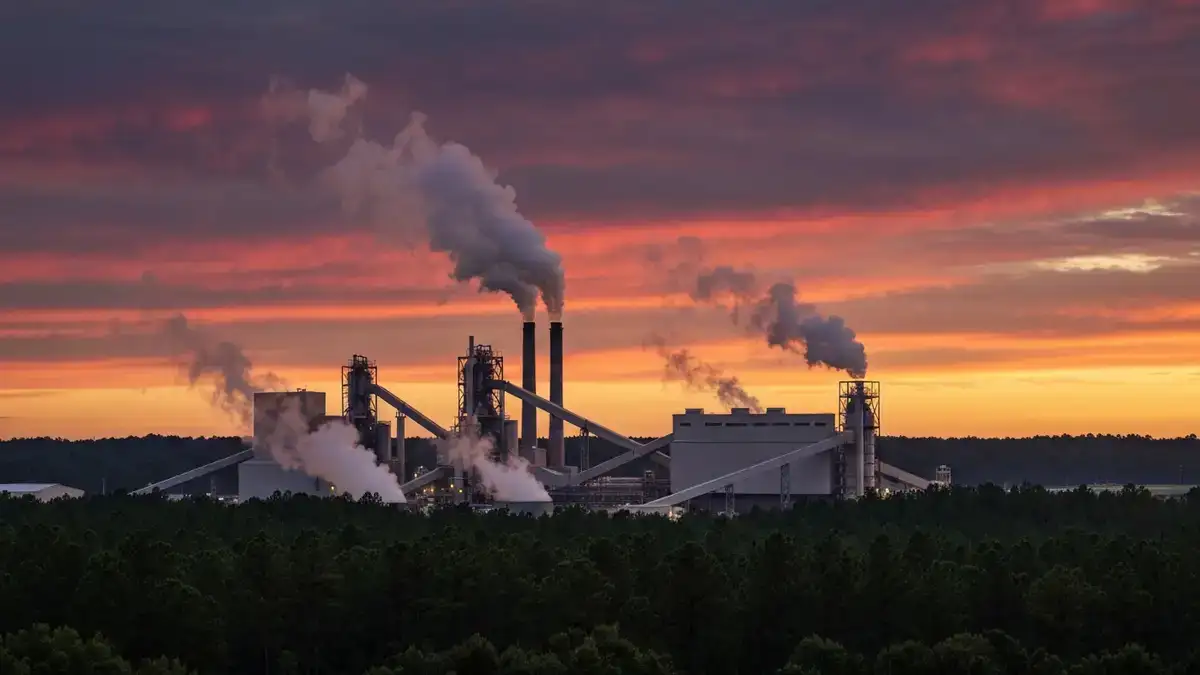
International Paper announced on July 9, 2026, that it has temporarily suspended operations at its Pine Hill, Alabama mill following weather damage to a critical roof structure at the facility. The company cited employee and contractor safety as the primary driver of the decision and said it is targeting a restart sometime in August 2026.
The suspension is a short but meaningful disruption for the southern US pulp and paper supply chain — and for the timber communities in Wilcox County that depend on consistent mill demand.
The Pine Hill Mill and Its Regional Role
Pine Hill sits in Wilcox County, deep in Alabama’s Black Belt region — a swath of the state that has historically supported significant softwood and mixed hardwood timber production. IP’s mill there is part of the company’s broader southern pulp manufacturing footprint, drawing on timber resources from surrounding counties and competing for log supply alongside other regional mills.
Mills of this type are anchor buyers for local logging contractors, haulers, and landowners. When a facility goes down — even temporarily — procurement activity drops, timber deliveries stop, and the cash flow pressure cascades quickly through the supply chain. The roughly four-to-six-week window before a targeted August restart is manageable for most suppliers in the short term, but it highlights the concentrated risk that comes with single-mill dependency in a region.
What Happened: Weather Damage and a Safety-First Decision
International Paper has not publicly disclosed the specific weather event that caused the damage, but the company confirmed that a critical roof structure at the Pine Hill facility was compromised. In its announcement, IP stated: “International Paper values the safety of its employees and contractors above all else and took this action out of an abundance of caution.”
That framing — safety first, abundance of caution — is standard corporate crisis communication, but it also signals that the company did not treat this as a minor maintenance issue. Shutting down an operating pulp mill entirely carries real costs: lost production, idled workforce hours, and customer supply disruptions. The fact that IP moved to a full suspension rather than a partial slowdown suggests the structural assessment warranted it.
The company said it is actively working to assess the required repairs and has engaged directly with customers to help manage potential supply impacts. No specific capacity figures or employee headcount numbers were disclosed in the announcement.
Repair Timeline and Customer Impact
The August 2026 restart target gives IP roughly four to six weeks to complete structural repairs and bring the mill back online. Whether that timeline holds will depend on the scope of the damage assessment and the availability of contractors and materials — factors that are notoriously hard to pin down following weather events.
For IP’s customers — paper manufacturers, packaging producers, and other downstream buyers who source pulp from Pine Hill — the company’s outreach is a key piece of the response. Large integrated buyers typically have contingency sourcing arrangements, but smaller or more regionally concentrated customers could face tighter supply situations if the restart is delayed past August.
The broader market impact will depend on Pine Hill’s production volume relative to total regional supply, a figure IP has not disclosed. Southern US pulp capacity has been under structural adjustment for years, and any unplanned downtime at a facility of this scale adds incremental tightness to an already lean market.
IP Restructuring Context: Where Pine Hill Fits
The Pine Hill suspension arrives against the backdrop of International Paper’s ongoing portfolio restructuring. Over the past several years, IP has been selectively closing, idling, and divesting mills as it focuses its North American manufacturing base on assets it considers strategically central — particularly in packaging and the segments where it sees long-term demand strength.
That context matters here because it shapes how industry observers will read this event. A temporary weather-related closure at a facility that is a confirmed long-term anchor in IP’s network reads very differently from the same event at a mill that has been on the margin of the portfolio. IP has not signaled Pine Hill’s strategic status in its public communications around this incident, and the company’s handling of the restart — how quickly it moves, how much it invests in repairs, what it says publicly about the facility’s future — will be closely watched.
For now, the official message is clear: the suspension is temporary, safety drove the decision, and August is the target. The forestry and paper community will be watching whether that holds.
What Timber Suppliers Should Watch
For logging contractors, timber haulers, and landowners in Wilcox County and surrounding areas, the immediate action is straightforward: stay in contact with IP’s procurement team, understand your contract terms around force majeure or supply interruptions, and assess whether you have alternative outlets for timber volume during the suspension window.
If the August restart slips, the calculus changes. A multi-month outage would begin to push suppliers toward alternative buyers — if they can be found — and could create longer-term relationship disruption even after the mill comes back online. The region’s timber supply base is not infinitely flexible, and extended downtime at a major buyer has ripple effects that outlast the restart date.
Watch for IP’s August communications. That is the next signal.