Mississippi Agriculture in 2025: Commodity Performance and Southern Comparisons

Mississippi’s agricultural sector completed the 2025 production year with an estimated total value of approximately $9.51 billion, underscoring the sector’s continued economic importance across rural and urban communities. This estimate reflects combined farm-level production values across crops, livestock, poultry, and forestry products. According to reporting from Mississippi State University Extension, the $9.51 billion figure provides a broad snapshot of commodity performance rather than a direct measure of farm profitability (Mississippi State University Extension).
Poultry and Forestry Form the Economic Backbone
Poultry production remained the cornerstone of Mississippi agriculture in 2025. Broiler production continues to dominate the category, supported by established processing infrastructure and sustained consumer demand across domestic markets. Egg production also contributed meaningfully, reflecting both stable output and pricing trends.
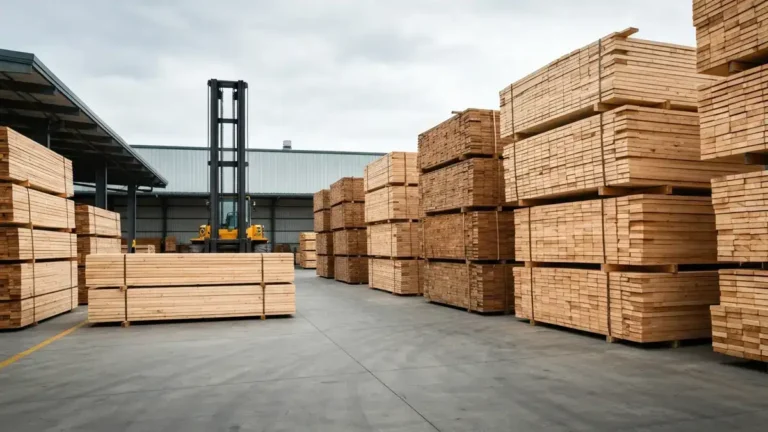
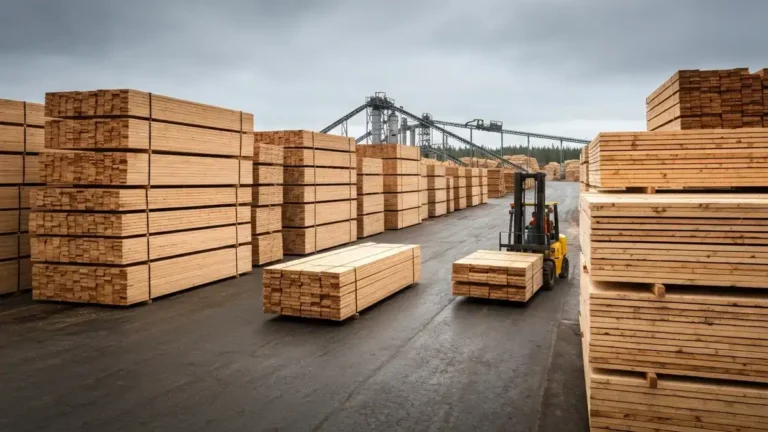
Forestry products ranked second in overall agricultural value. Mississippi’s extensive forestland base, composed largely of pine plantations alongside mixed hardwood systems, supports sawtimber, pulpwood, and residual wood markets. While forestry values fluctuate with housing demand and mill capacity, the sector remains a consistent contributor to the state’s total agricultural output.
Row Crop Production Under Pressure
Row crops faced a more constrained year in 2025. Cotton, soybeans, peanuts, and rice collectively declined in total value, influenced by lower market prices and persistent cost pressures. Corn emerged as a relative bright spot due to localized yield improvements, but not enough to offset broader declines across the crop segment.
These conditions reflect patterns seen throughout much of the southern United States, where producers continue to balance volatile commodity prices against elevated input costs tied to fuel, fertilizer, equipment, and logistics.
Livestock Beyond Poultry Shows Resilience
Outside of poultry, Mississippi’s livestock sector delivered a mixed but generally stable performance. Cattle production benefited from stronger pricing conditions, increasing its share of agricultural value. Hog production and aquaculture also posted gains, with farm-raised catfish remaining a distinctive strength for the state. Mississippi continues to rank among national leaders in catfish production, supported by established ponds, feed systems, and processing capacity.
The diversity of Mississippi’s livestock sector helps moderate volatility when crop markets weaken, reinforcing its importance within the broader agricultural system.
Understanding Agricultural Production Value
Agricultural production value reflects the estimated market value of commodities produced at the farm gate. It does not account for operating expenses, debt service, or net farm income. Annual totals may rise or fall due to shifts in output volumes, commodity prices, or production mix, even when growing conditions remain relatively consistent year to year.
Mississippi in the Southern Agricultural Landscape
When compared with other southern states, Mississippi occupies a mid-range position in terms of total agricultural value. Texas leads the region by a wide margin, driven by large-scale cattle operations and diversified crop systems. Georgia and Arkansas also report higher overall values, supported by dominant poultry sectors and extensive row crop acreage.
Mississippi remains competitive with neighboring states such as Alabama, Louisiana, and Tennessee. Louisiana’s agricultural value is more heavily shaped by sugarcane and rice, while Tennessee emphasizes cattle and nursery crops. Mississippi’s notable strength in forestry and aquaculture differentiates it from several neighboring states, providing a more balanced commodity profile.
The forest sector in particular aligns Mississippi with other timber-focused parts of the southern coastal plain, where managed forests contribute substantially to both agricultural value and long-term land use stability.
Key Components of the 2025 Estimate
- Total Agricultural Production Value: Approximately $9.51 billion (Mississippi State University Extension)
- Largest Commodity: Poultry (broilers and eggs)
- Second-Largest Sector: Forestry products
- Primary Crop Challenges: Cotton, soybeans, peanuts, rice
- Livestock Strengths: Cattle and aquaculture
Outlook Beyond 2025
Looking ahead, Mississippi’s position within southern agriculture will continue to be shaped by production efficiency, market access, and long-term land management strategies. Forestry management decisions, livestock health, and adaptive crop planning will play central roles as producers respond to shifting economic and environmental conditions.
Within the broader southern region, Mississippi’s diversified mix of forestry, livestock, and crop production provides a degree of resilience. While individual sectors may fluctuate annually, this balance remains one of the state’s defining agricultural characteristics.