Milwaukee Mass Timber Project Stalls as Foreclosure Looms

The Milwaukee mass timber project that was supposed to redefine what engineered wood could do at scale has stalled on a downtown lot, its crane removed and its contractor filing for foreclosure. The Edison — a 31-story tower at 1005 N. Edison St. developed by Madison-based Neutral — broke ground in June 2025 with considerable fanfare as the tallest mass timber building in the United States. By September, work had stopped. By March 2026, C.D. Smith Construction had filed suit seeking $11.3 million in unpaid work and a foreclosure sale of the property. For the mass timber construction sector, the collapse of a flagship project is worth examining in detail — not as an indictment of the building method, but as a clear-eyed look at what tariff exposure and undercapitalization can do to an ambitious timber build.
From Groundbreaking to Foreclosure: The Edison’s Collapse
Neutral broke ground on The Edison in June 2025, positioning the project as a demonstration of what mass timber could accomplish at high-rise scale. The 31-story tower was planned for 357 apartments and would have stood as the tallest mass timber tower in Milwaukee — and in the United States — upon completion.
The halt came three months later. In September 2025, Neutral paused construction, describing the move as a temporary measure to “value-engineer” the project amid rising costs. The crane came down in November. The same month, Milwaukee officials removed Neutral as the preferred developer for the planned $750 million redevelopment of the Marcus Performing Arts Center parking structure — a project directly across the street from The Edison site.
On March 6, 2026, C.D. Smith Construction of Fond du Lac, Wisconsin, filed suit against developer affiliates The Edison SPE and The Edison Project LLC, seeking $11.3 million for unpaid work and asking the court to order a foreclosure sale of the property. C.D. Smith was not alone — a total of 12 firms filed claims for unpaid bills, including Hartshorne Plunkard Architecture of Chicago, the project’s design architect. The property also carries more than $43,000 in overdue taxes. Neutral did not respond to media requests for comment.

The Tariff Problem and the $25 Million Gap
The original budget for The Edison was approximately $200 to $205 million. By the time Neutral paused construction, cost estimates had climbed to approximately $230 million — a gap of roughly $25 million on a project that had already broken ground.
Neutral’s CEO Nate Helbach attributed the cost escalation directly to trade policy:
“Recent tariffs and broader inflation have materially increased key input hard costs. Pausing to value-engineer is a difficult but prudent step to safeguard the long-term success of 1005 N Edison.”
— Nate Helbach, CEO, Neutral
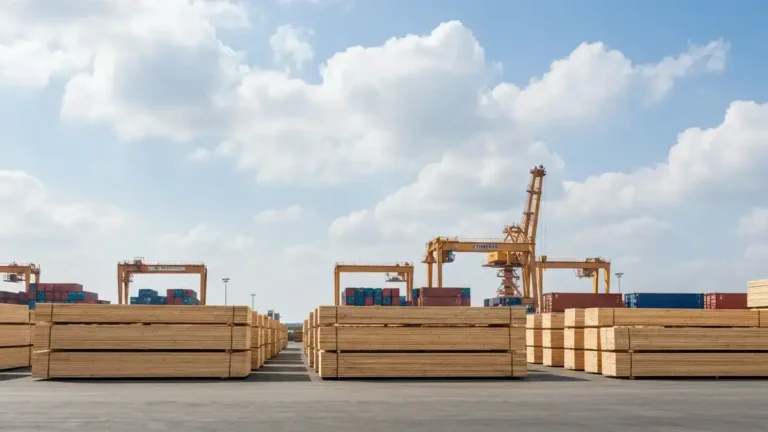
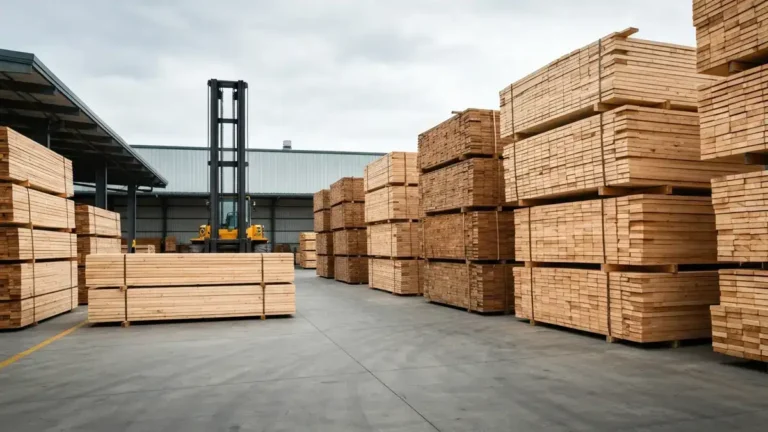
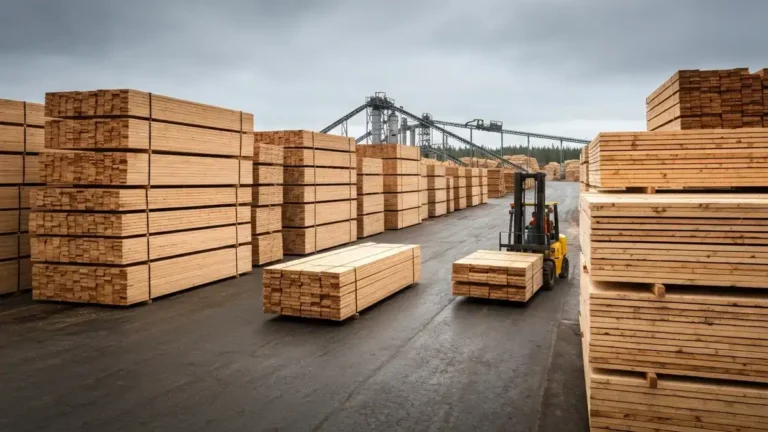
The tariff exposure is not incidental to a mass timber project — it is structural. Nearly 25% of wood products used in the United States are imported from Canada, and Canadian softwood lumber tariffs rose significantly through 2025 under successive rounds of US trade action. Cross-laminated timber and glulam — the engineered wood products that make mass timber high-rises possible — are produced in volume by Canadian suppliers. A project banking on a fixed-budget timber package from Canadian mills faces a fundamentally different risk profile under elevated tariff conditions than a conventional concrete-and-steel build.
Milwaukee Alderman Robert Bauman was less diplomatic than the developer in his assessment:
“We appear to have a situation where they underestimated their costs, they started construction anyway, and they suddenly came to a realization the project was underfunded as designed.”
— Robert Bauman, Alderman, City of Milwaukee
The two accounts are not mutually exclusive. Tariffs created real cost pressure; the project’s capitalization left limited room to absorb it.
What This Means for Mass Timber Construction
The Edison’s failure is not evidence that mass timber high-rises don’t work. The building method is sound, and projects of comparable ambition are advancing in other markets. What The Edison illustrates is the margin for error available to a developer when input costs move sharply between pro forma and procurement.
For contractors working on mass timber projects, the case is a reminder that engineered wood supply chains carry tariff exposure that conventional construction does not share to the same degree. Lien rights and foreclosure proceedings are the last resort in a construction dispute — but they are the remedy available when a developer goes silent and payroll gaps widen.
For the mass timber sector as a whole, the more consequential question is whether The Edison’s stall affects the financing environment for comparable projects. Lenders evaluating mass timber construction risk now have a high-profile case study in what undercapitalization plus tariff volatility looks like at the 31-story scale. Whether that makes capital more cautious or simply more rigorous about contingency requirements will shape the next wave of mass timber development in US cities.