FPAC: 50% U.S. Tariffs Will Raise Housing Costs
FPAC says new 50% tariffs on Canadian forest products will raise U.S. housing costs and threaten forestry jobs, undercutting the new ROAD to Housing Act.


FPAC says new 50% tariffs on Canadian forest products will raise U.S. housing costs and threaten forestry jobs, undercutting the new ROAD to Housing Act.
Tariffs of 50% now cover nearly US$20 billion of Canadian goods across 500+ categories, and forest products sit squarely in the crosshairs of the duties.
A rapidly rising tick-borne disease called anaplasmosis is spreading across Canada, transmitted by the same blacklegged ticks that carry Lyme. For forestry workers and logging crews who spend their days in exactly the kind of habitat these ticks prefer, it’s a hazard that safety plans need to account for.
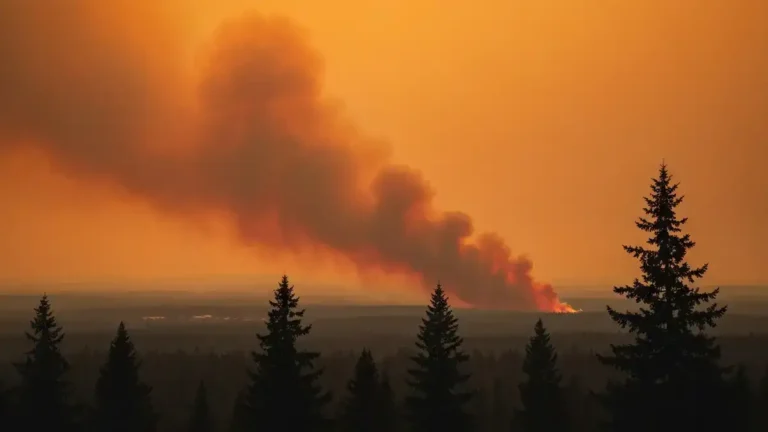
Medical experts are using language that forestry supervisors should not ignore. Here is what the science says about wildfire smoke exposure, why outdoor workers face elevated risk, and what work-site decisions the evidence supports.
The federal government has committed over $8 million to Surrey businesses navigating trade disruption — with a mass timber connection hardware maker among those building new Canadian manufacturing capacity with the support.
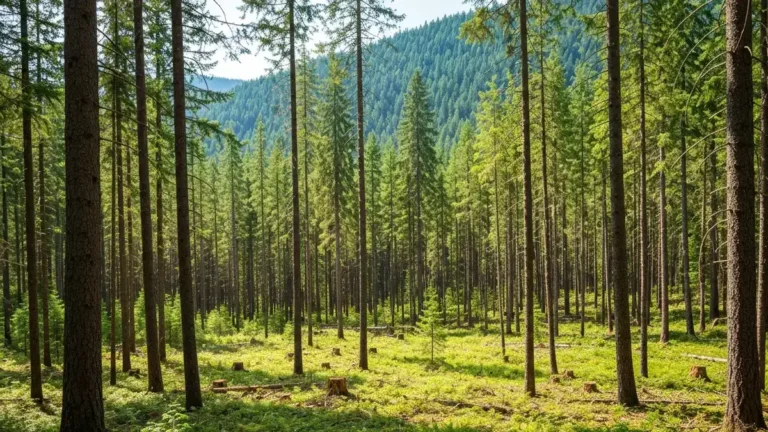
Fires are now the largest single driver of forest loss globally, and nearly every record-breaking wildfire year has occurred since 2020. The Forest Stewardship Council’s latest guidance reaffirms what BC operators already know on the ground: responsible forestry is not just good environmental practice — it is one of the most effective risk mitigation tools available.
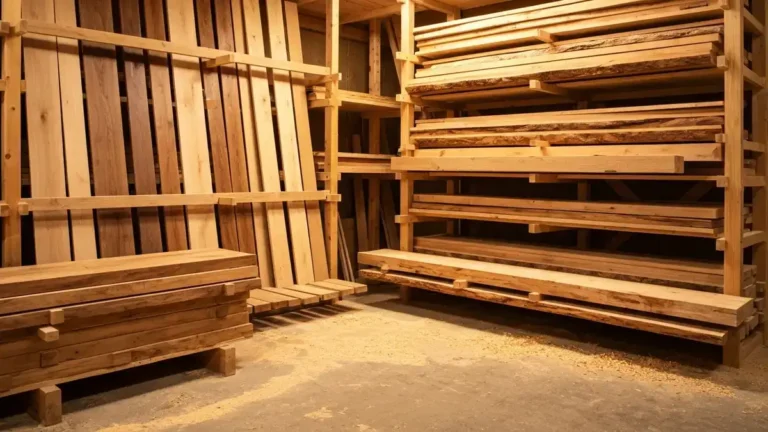
British Columbia has expanded the BC Timber Sales Value-Added Manufacturing Program to add a dedicated category for custom cutters and processors — small-scale operators who manufacture value-added wood products but do not own or operate sawmilling facilities.
B.C. Conservative MLA and Forests Critic Ward Stamer sat down with U.S. Ambassador Pete Hoekstra and Consul General Shawn Crowley on July 4, making the case that BC value-added wood manufacturing can serve both countries’ economic interests amid ongoing softwood lumber tariff tensions.
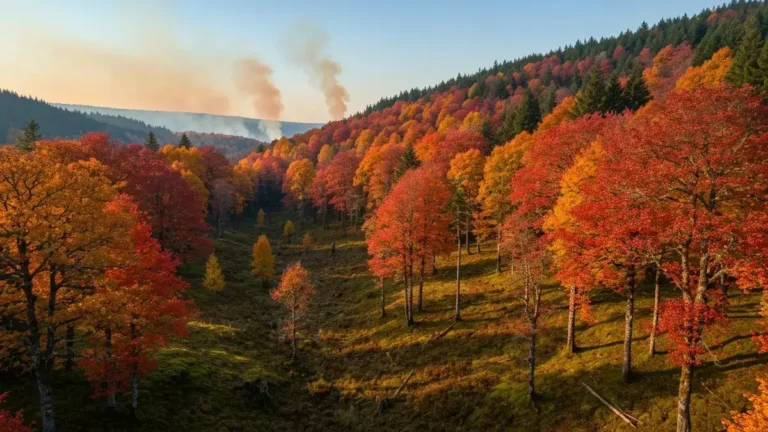
A weekend of rain and cooler temperatures offered a brief reprieve for BC wildfire crews, but fire managers are warning that returning heat will drive a rapid uptick in fire activity — with direct consequences for forest operators across the province’s interior.
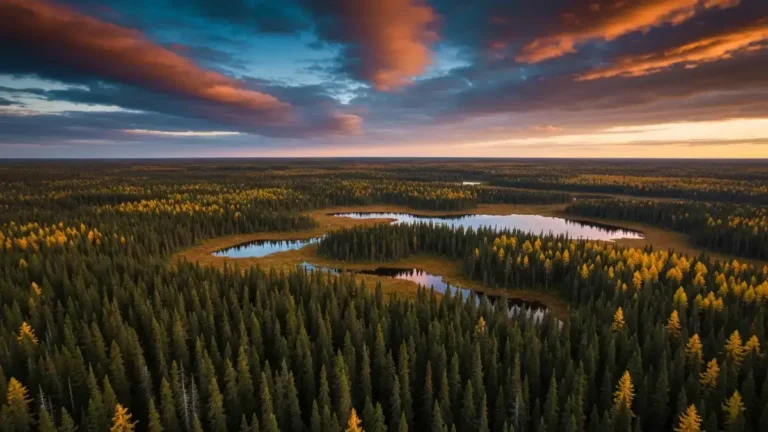
The K’ih ts’aaʔdze Protection Area, established July 10, 2026, places approximately 45,000 hectares of Crown land in northeastern BC under a 10-year interim designation that specifically restricts forestry activities for four years.