Wood to Gasoline: Pennsylvania Biomass Facility Nears Build

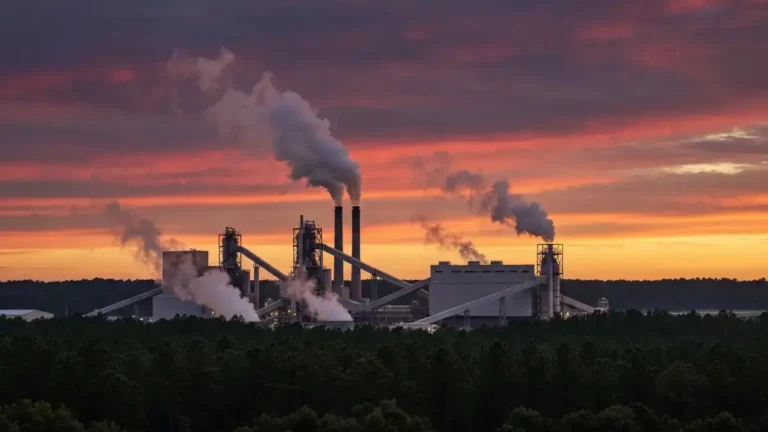
A Tioga County company is on the verge of breaking ground on what could be the first commercial-scale wood-to-gasoline Pennsylvania facility in the country, after completing a critical engineering validation that confirms the project is technically sound and economically viable. Woodland Biomass Innovations — known as Woodland BIO — has finished Phase 2 of a four-stage engineering process, converting what was once a concept into a fully validated design package backed by a third-party review and state support.
The milestone puts the company within two stages of construction on a facility that would process 1,000 tons of regional wood residues per day and turn them into 42,000 gallons of 87-octane drop-in gasoline — fuel that works in any standard vehicle without modification. For the forests of north-central Pennsylvania, that kind of demand could change the economics of timber management entirely.
Wood to Gasoline: How the Technology Works
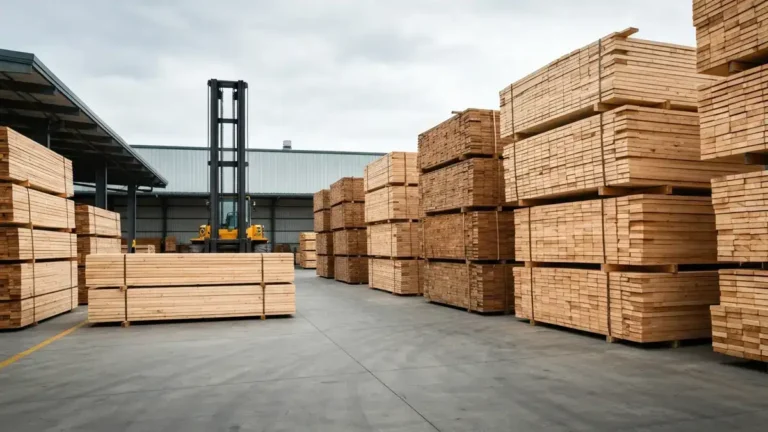
The process Woodland BIO is developing relies on two established industrial technologies applied in sequence. The first is gasification: wood residues — the low-grade slash, chips, and tops that loggers often leave behind — are fed into a reactor where they are heated to high temperature with tightly controlled amounts of oxygen. Rather than burning, the wood breaks down into syngas, a mixture of hydrogen and carbon monoxide that can be routed into the next stage of the system.
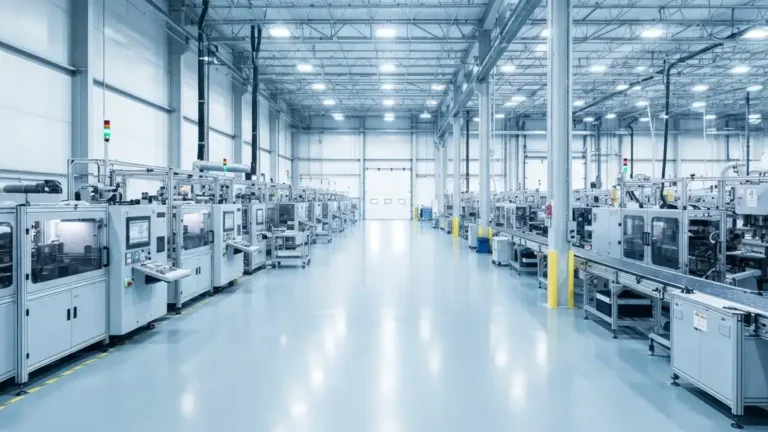
That second stage uses gas-to-liquid (GTL) conversion to transform syngas into hydrocarbon chains indistinguishable from petroleum-based gasoline. The resulting fuel meets Penn State Extension’s standard road-spec 87-octane grade — it can be pumped directly into existing fuel infrastructure and requires no changes to a vehicle’s engine.
At full capacity, the 42,000 gallons per day the Tioga County facility would produce represents roughly 2% of Pennsylvania’s daily gasoline consumption. While that figure may seem modest, it also represents a proof-of-concept at commercial scale that no comparable facility in the U.S. has yet demonstrated. The design is also adaptable: the same core architecture can later be modified to produce renewable diesel and sustainable aviation fuel from the same woody feedstock.

From Concept to Validated Engineering
Woodland BIO’s engineering journey follows a structured four-stage Front-End Loading (FEL) process standard in large industrial development. The company has now completed FEL-2, which involved an independent engineering firm reviewing and validating both the technical design and the economic projections for the facility. That third-party stamp of approval is a meaningful de-risking event for potential investors and lenders — it moves the project from the realm of a promising idea into a credentialed engineering package.
The FEL-2 validation was supported in part by a $50,000 Agricultural Innovation Planning Grant from the Pennsylvania Department of Agriculture, which recognized the project’s potential to create new commercial markets for low-grade wood residues — materials that currently have limited monetization pathways for forest landowners and loggers.
Alongside the engineering completion, Woodland BIO has secured Letters of Intent on both sides of its supply chain. LOIs covering 100% of its feedstock supply and 100% of its projected gasoline offtake are in place, meaning the company has pre-committed buyers for every gallon it will produce before a shovel has hit the ground.
With FEL-2 behind it, the company is now actively fundraising for FEL-3 — the execution engineering phase that will produce detailed construction drawings and the permit applications needed to break ground. Founder and CEO Luca Pandolfi is targeting $3–$5 million for that phase, with $350 million in construction financing to follow.
“It’s all about a circular economy.”
— Luca Pandolfi, Founder and CEO, Tioga Publishing
That circular model — where local forests produce the feedstock, local loggers supply it, and local workers run the facility — is central to how Pandolfi frames the project’s value. Co-founder and COO Rich Bohr has already secured a 160-acre parcel in Tioga County for the site, positioning the facility for access to both its supply base and regional fuel distribution networks.
Wood to Gasoline Pennsylvania: What It Means for Forests and Loggers
The business case for Woodland BIO is inseparable from the forest management challenges facing north-central Pennsylvania. The state is estimated to have 6–8 million dry tons per year of sustainably harvestable low-use wood that currently goes unmobilized — material that has no reliable commercial buyer and therefore no economic driver for its removal. That unused volume represents both a lost opportunity and a forest health problem: when low-grade wood has no market, landowners and loggers have little incentive to conduct the thinning and residue-clearing work that healthy forest management requires.
A wood-to-gasoline facility consuming 1,000 tons per day would change that equation fundamentally. It would establish a consistent, high-volume buyer for the material that today clogs the forest floor or is simply burned in place. The Tioga County facility is projected to create 50–100 direct jobs at the plant itself, with dozens of additional indirect positions in the regional logging, hauling, and supply chain sectors that would feed it.
Understanding how broader shifts in wood fiber demand are reshaping U.S. forestry helps frame why this project matters: when a new industrial buyer enters a timber market, it can improve the economics of forest management across an entire region — not just for the facility’s direct contractors, but for private woodlot owners who gain access to a buyer they previously lacked.
What Comes Next: FEL-3, Financing, and the Path to Groundbreaking
Woodland BIO’s roadmap from here is clear, if capital-intensive. FEL-3 execution engineering will take the validated design from Phase 2 and turn it into the permit-ready, shovel-ready construction drawings that a project of this scale requires. Once that phase is complete and construction financing is secured, the company’s stated timeline puts the facility operational within three years.
The $350 million construction price tag is substantial, but the project’s de-risking achievements — third-party engineering validation, secured LOIs on both supply and demand, state government support through the Department of Agriculture grant, and a 160-acre site under control — position Woodland BIO as a credible candidate for project finance. The question is whether the company can close the capital stack in a funding environment where large-scale renewable fuel projects face real headwinds.
If it does, the Tioga County facility would mark a significant step forward in the broader conversation about capturing the full and unrealized value of biofuels — a conversation that has long recognized the theoretical potential of forest residues as a fuel feedstock, but has rarely seen that potential materialized at commercial scale in the United States. For north-central Pennsylvania’s loggers and landowners, the stakes are direct and practical: a buyer for wood that no one is currently paying for.