Forest Communication: How Plants Exchange Information and Resources
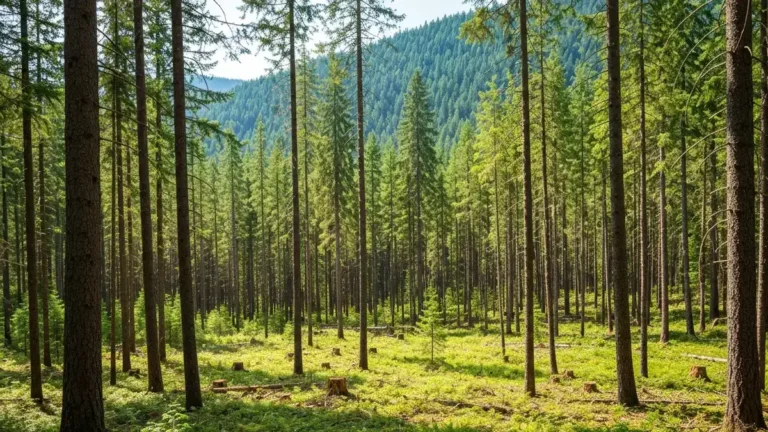
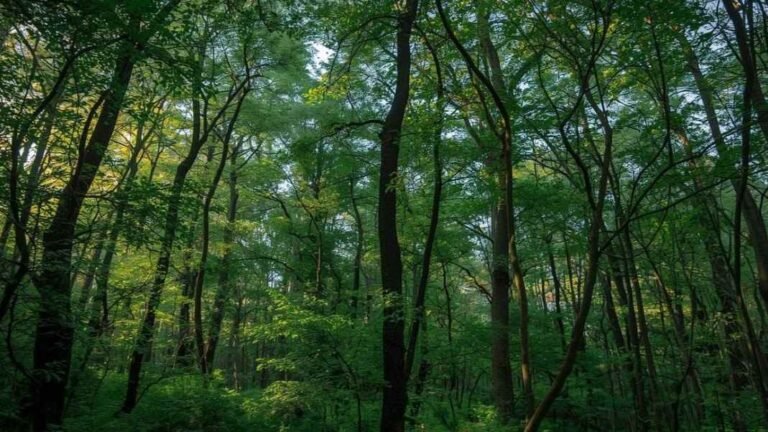
Plants in forests interact through underground networks and airborne chemical signals, reshaping our understanding of ecosystems and forest health.
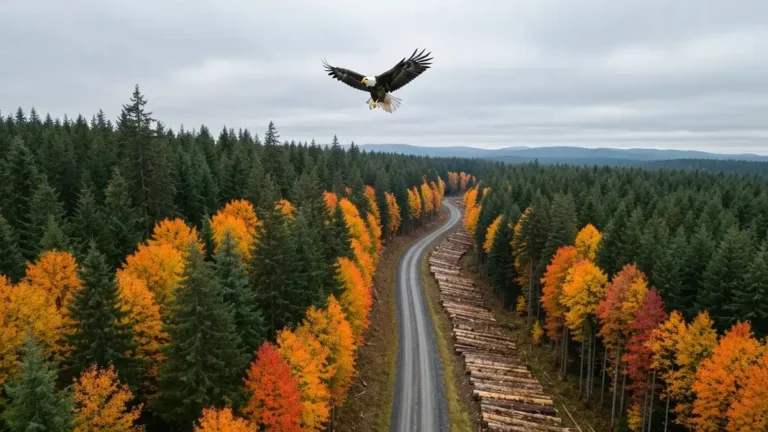
Northern Ontario’s logging roads form a vast but often overlooked network that supports forestry operations, remote communities, and year-round access to the North. This article explores how these industrial routes are built, maintained, and used, and why they remain essential infrastructure for both the forest sector and the region’s wilderness economy.
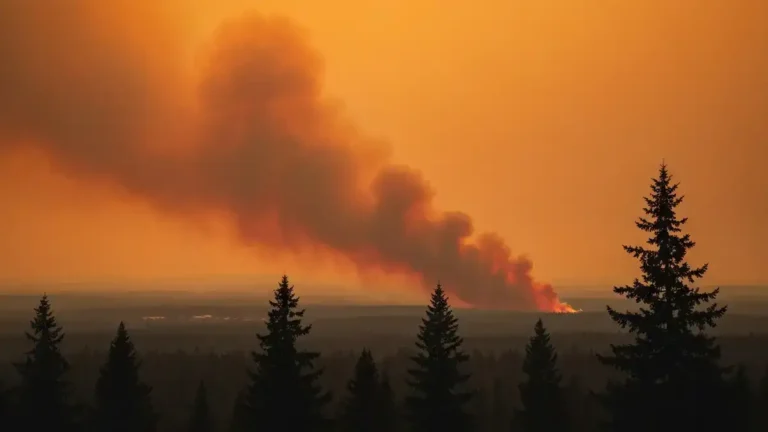
The 2025 Pack Fire in Mono County, California, burned nearly 2,000 acres, damaged homes, and prompted evacuations. This article provides a detailed overview of the fire’s spread, response efforts, and lessons for wildfire preparedness in forest-adjacent communities.
Woodpeckers deliver powerful drilling strikes using full-body coordination, breath-supported stability, and specialized posture. This article explains how these small birds generate high-force impacts safely and efficiently, offering a clear look at the biomechanics behind their remarkable drilling behavior.
Edmonton has confirmed its second Dutch elm disease case of the year, raising concerns about the city’s elm canopy and prompting an expanded response plan.
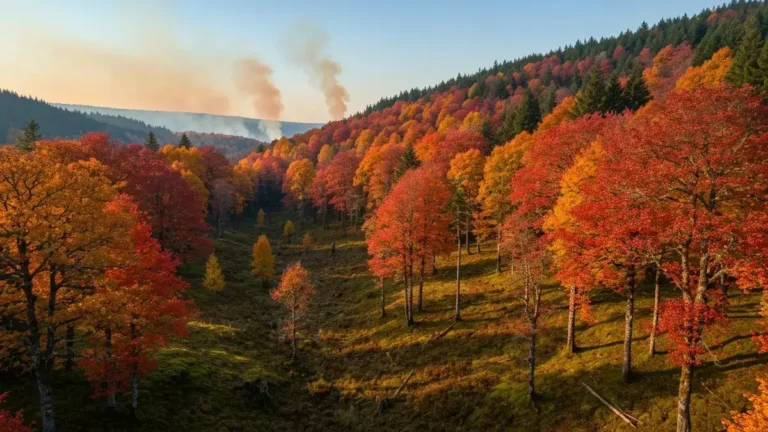
Practical forest management strategies to prepare woodlands for winter, focusing on tree health, soil protection, and ecosystem resilience.
Beavers are increasingly recognized as key contributors to forest
Canada’s 2025 wildfire season burned record forest areas, forcing the forestry sector to adapt its management and recovery practices. With over eight million hectares affected, forestry professionals are focusing on regeneration, carbon balance, and long-term forest resilience.
Forestry professionals are tracking rising tree mortality across Pacific Northwest forests. This article examines causes of widespread canopy loss, implications for timberland management and ecosystem services, and strategies for building forest resilience.
Digital forest models, or forest digital twins, are providing high-resolution insights for forest management, monitoring structure, biodiversity, and carbon storage.