Forest Sector Outlook 2026: Weak Demand, Solid Base
The Q2 2026 forest sector outlook finds wood products caught between weak demand and strong fundamentals, with China, energy costs and the EUDR in focus.

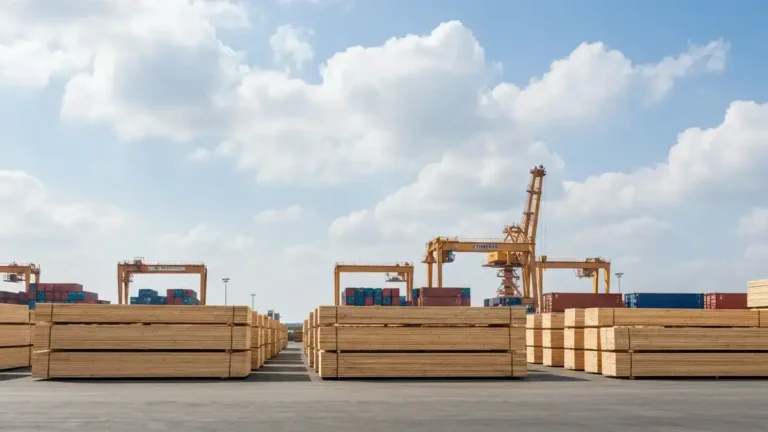
The Q2 2026 forest sector outlook finds wood products caught between weak demand and strong fundamentals, with China, energy costs and the EUDR in focus.

Boreal crown fires can shrug off air tankers and ground crews because extreme fire behaviour lets them generate their own weather. Here’s the science behind why.

Section 338 of the Tariff Act of 1930, a Smoot-Hawley provision unused since 1949, is the legal tool behind Washington’s new 50% duties on Canadian goods.

FPAC says new 50% tariffs on Canadian forest products will raise U.S. housing costs and threaten forestry jobs, undercutting the new ROAD to Housing Act.
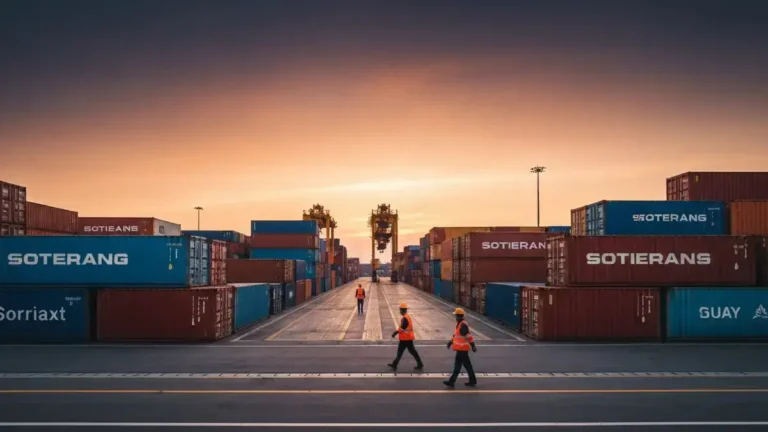
Tariffs of 50% now cover nearly US$20 billion of Canadian goods across 500+ categories, and forest products sit squarely in the crosshairs of the duties.

A rapidly rising tick-borne disease called anaplasmosis is spreading across Canada, transmitted by the same blacklegged ticks that carry Lyme. For forestry workers and logging crews who spend their days in exactly the kind of habitat these ticks prefer, it’s a hazard that safety plans need to account for.
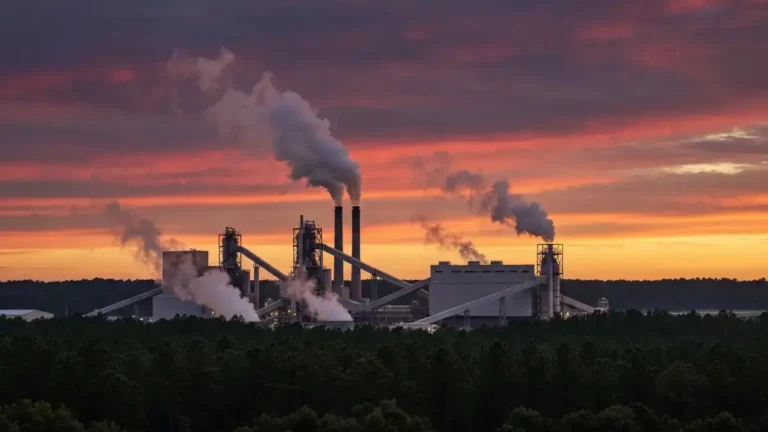
International Paper suspended operations at its Pine Hill, Alabama mill on July 9, 2026, after a weather event damaged a critical roof structure. With a restart targeted for August, the event raises questions about regional timber supply and where Pine Hill fits in IP’s ongoing restructuring.
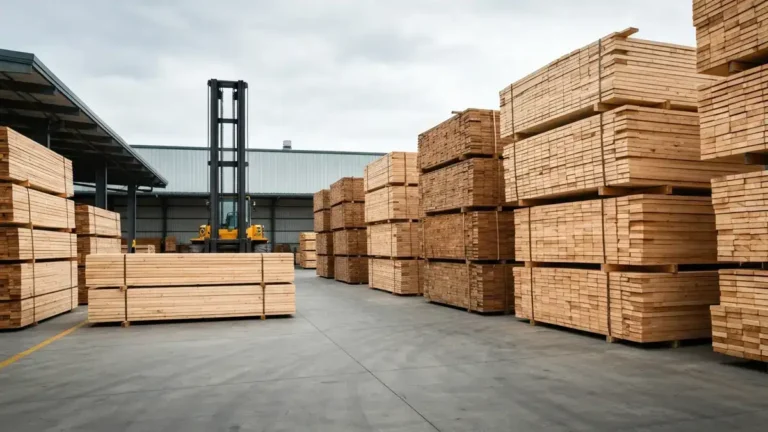
Canadian lumber prices are well off their pandemic peaks, but sawmill operators and lumber producers are discovering that falling commodity prices don’t automatically translate into better margins — not when operating costs refuse to follow prices down.

Medical experts are using language that forestry supervisors should not ignore. Here is what the science says about wildfire smoke exposure, why outdoor workers face elevated risk, and what work-site decisions the evidence supports.
The federal government has committed over $8 million to Surrey businesses navigating trade disruption — with a mass timber connection hardware maker among those building new Canadian manufacturing capacity with the support.