Alaska Native Landless Bill Advances to Senate Floor
A decades-old injustice in Southeast Alaska moved a step closer to resolution this month. The Alaska Native Landless Equity Act — legislation to give five Native communities land they were denied more than half a century ago — cleared a key committee and advanced to the U.S. Senate floor, setting up a debate that touches on Indigenous rights, rural economies and the future of the Tongass National Forest.
Alaska Native Landless Bill Clears Committee
The bill passed out of the Senate Energy and Natural Resources Committee, and Alaska Sen. Lisa Murkowski announced on July 16 that it had advanced to the Senate floor. The measure would allow five Alaska Native communities in the Southeast to receive land entitlements — a milestone in a campaign that has spanned generations.
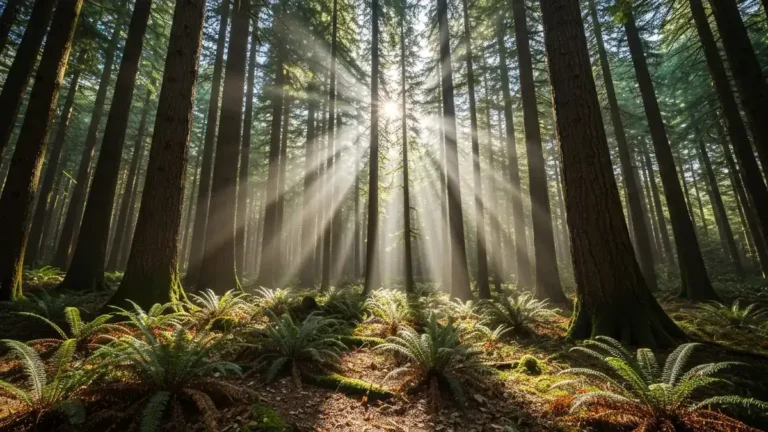
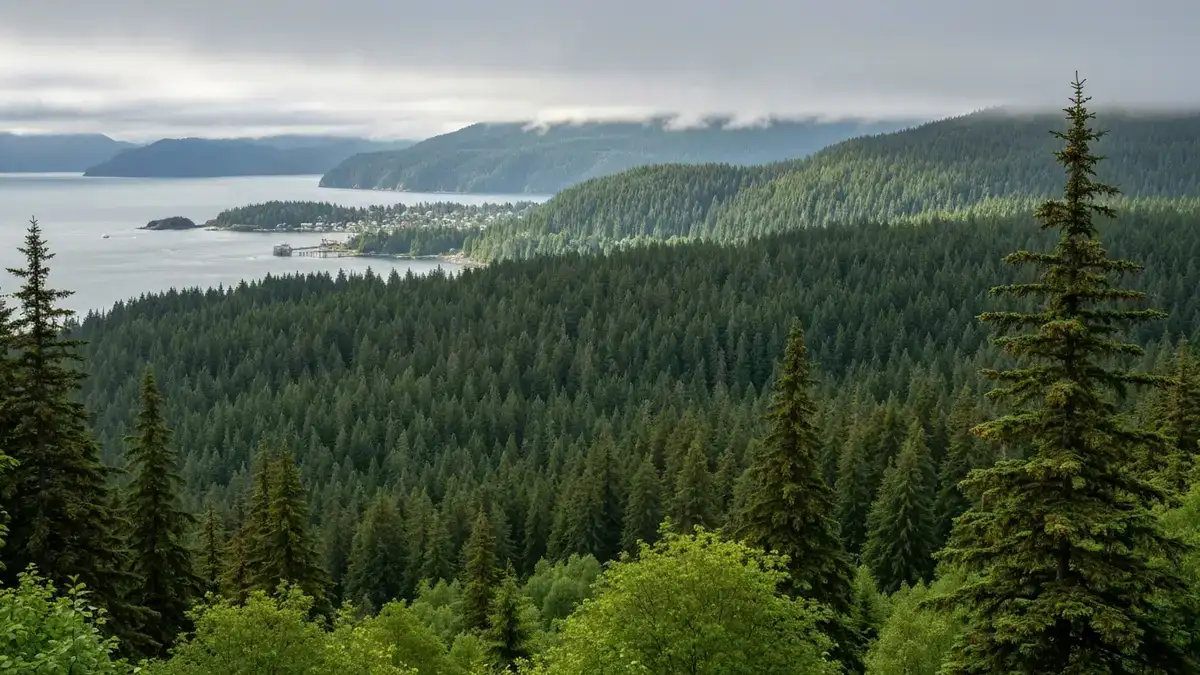
For a forestry audience, the significance is that the land in question lies within the Tongass, the largest national forest in the United States. How that land is classified and managed matters far beyond the five towns directly affected, touching the broader questions of timber, conservation and access that shape the region — the same backdrop against which stories like the future of Sitka spruce harvesting in Alaska play out.
The Five Communities Left Out of ANCSA
At the heart of the bill is a historical omission. When the Alaska Native Claims Settlement Act, or ANCSA, became law more than 50 years ago, five Southeast communities — Haines, Ketchikan, Wrangell, Petersburg and Tenakee — were excluded. Unlike other communities in the region, where ANCSA urban corporations were formed, Alaska Natives in these five “landless” communities were left without the land entitlements and the economic and social opportunities that came with a Native corporation.
The Landless Equity Act would correct that by allowing each of the five to form an Alaska Native corporation and receive 23,040 acres of federal land. That figure is consistent with the entitlements ANCSA provided elsewhere, effectively extending to these communities the same footing their neighbours received decades ago. Supporters frame it not as a new grant but as the completion of an unfinished settlement.
For the affected communities, a Native corporation is far more than a land title. Under ANCSA, these corporations became the primary vehicle through which Alaska Natives hold assets, generate revenue and fund services for their shareholders — from scholarships to dividends to economic development. Being “landless” has therefore meant more than lacking acreage; it has meant being cut off from a foundational engine of self-determination that neighbouring communities have used for half a century. That is why the campaign has persisted across decades and multiple sessions of Congress, and why backers describe the current momentum — House passage followed by the Senate committee’s action — as the closest the landless communities have come to closing a gap that has defined them since 1971.
What the Land Transfer Means for the Tongass
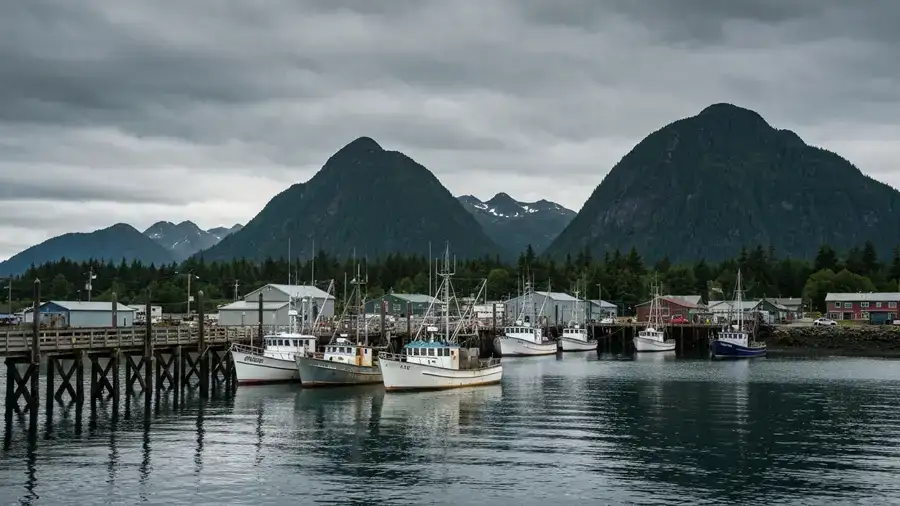
Scale is central to how the bill is being received. Across all five communities, the transfers would total roughly 115,000 acres. Set against the Tongass National Forest’s roughly 17 million acres, that amounts to less than 0.7 percent of the forest — a small fraction by area, even as it is deeply meaningful to the communities involved.
Still, the mechanism matters. ANCSA mandated that Native corporations seek to make profits for their shareholders, and that commercial mandate is what drives some of the opposition: critics argue the bill would privatize about 115,000 acres of the Tongass, potentially opening it to development or harvest. The tension between land entitlement and conservation is a familiar one in a region where every acre of the coastal rainforest carries competing claims, much as it does around state timber sales in Southeast Alaska.
Support, Opposition and Next Steps
Momentum has been building on both sides of Capitol Hill. A companion measure introduced by Alaska Rep. Nick Begich passed the U.S. House in June with no recorded opposition — the first landless bill to clear that chamber — and the Senate committee’s action now sends the issue to the full Senate. Backers, led by Murkowski, cast the effort as a matter of long-overdue equity and stewardship.
“There are no better stewards of our Alaska lands than the people who have lived on them for thousands of years.”
— Sen. Lisa Murkowski, R-Alaska, Alaska Public Media
Opponents, meanwhile, continue to warn about privatizing a slice of the Tongass and the precedent it may set. With House passage secured and the Senate bill now on the floor, the landless communities are closer than they have been in decades to a resolution — but the final outcome, and the terms of any land conveyance, will be settled in the debate still to come. For a movement that has pressed its case for more than half a century, even reaching that debate on the Senate floor marks unprecedented ground.