Ontario Wildfire Season 2026 Is the Worst on Record

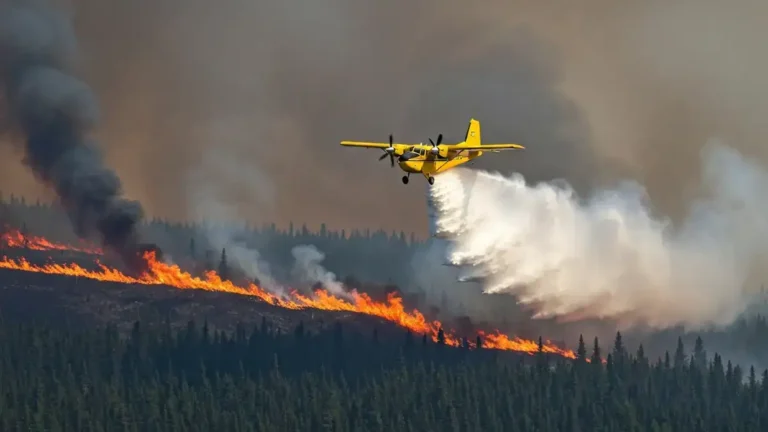
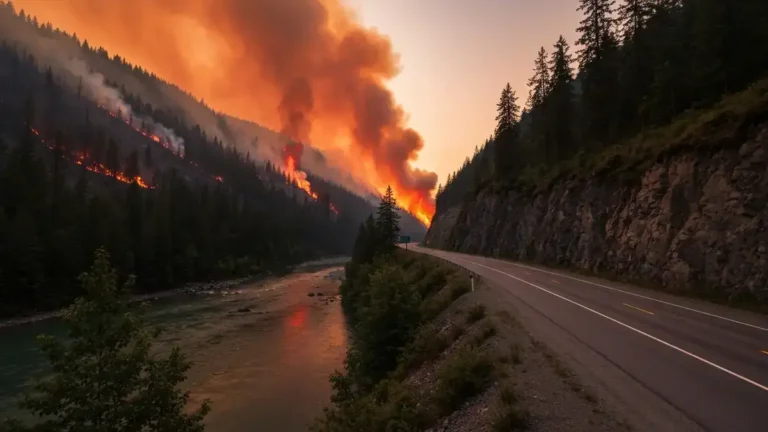
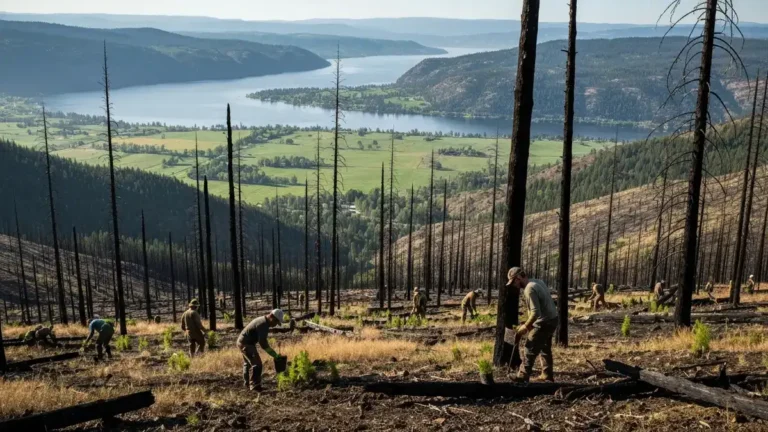
The 2026 Ontario wildfire season has become the province’s worst on record, and it is far from over. Early estimates show fires have consumed more than 7,250 square kilometres of forest across northern Ontario, eclipsing the previous record set in 2021 — and doing so with a speed that has alarmed fire scientists. Most of that devastation unfolded in a single, brutal 10-day stretch.
Ontario Wildfire Season Breaks the 2021 Record
The headline number is staggering: over 7,250 square kilometres burned, a figure that surpasses the mark set just five years ago in 2021. That earlier season had itself been considered exceptional, which makes the 2026 total all the more striking. As CBC reported on the record season, the estimate is preliminary and likely to be revised upward as mapping catches up with the fast-moving fires.
For context, a burned area of that size is roughly larger than many metropolitan regions — an expanse of boreal forest, wetland and bush reduced to smoke and char. Records like this are not set in isolation; they reflect a trajectory. This season lands only a year after 2025 ranked as the second-worst fire season on record nationally, underscoring how frequently these once-rare benchmarks are now being broken.
Most of It Burned in Just 10 Days
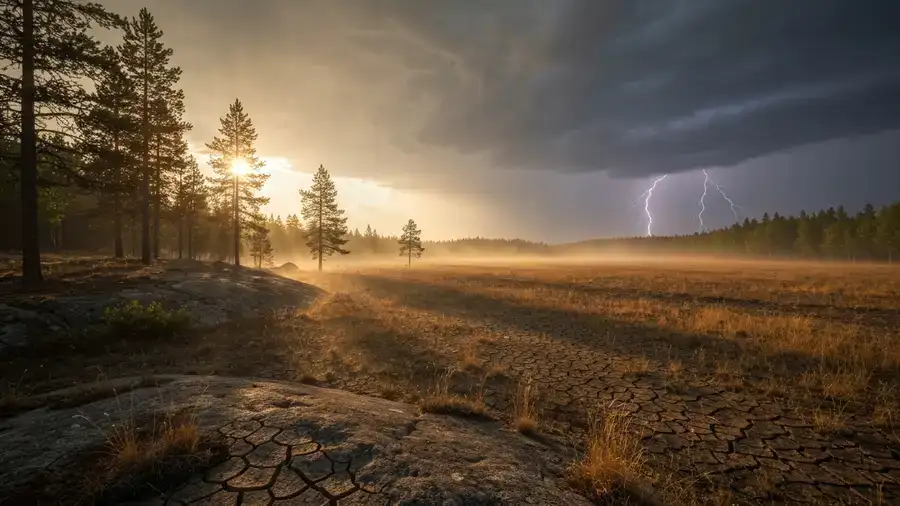
What sets 2026 apart is not only the total but the tempo. The vast majority of the burned area went up in roughly 10 days, a compressed burst of fire growth that overwhelmed the normal rhythm of a fire season. The trigger was a combination of severe thunderstorms and a scorching heat wave centred on Thunder Bay, where temperatures ran about 15 degrees above seasonal norms.
That kind of heat does two things at once: it dries fuels to tinder and it destabilizes the atmosphere, feeding the very thunderstorms whose lightning then ignites new fires. The single largest contributor to Ontario’s total is a massive fire of roughly 3,188 square kilometres north of Thunder Bay — one blaze accounting for a large share of the record. When conditions align like this, fire behaviour can outpace any realistic suppression effort, and crews shift from stopping fires to protecting communities and infrastructure.
The human toll has climbed alongside the hectares. As Ontario logged its worst season on record, well over a hundred fires were burning across the north, and remote First Nations communities were among those forced to evacuate as smoke and flame closed in. In roadless country, evacuations often mean airlifts rather than highways, straining emergency resources and displacing families for weeks. For the forest industry, the same fires that threaten towns also consume merchantable timber and shut down harvesting, hauling and mill supply across whole districts.
The Climate Signal Behind a Worsening Trend
Fire scientists are clear that this is not simply bad luck. Climate change, driven by the burning of fossil fuels, is making wildfire seasons longer and more intense across Canada, loading the dice toward exactly the kind of heat-and-lightning events that drove Ontario’s 10-day surge. The pattern of record seasons arriving in quick succession is consistent with what researchers have long projected.
That trend is not confined to one province or one year. Analysts have warned that Canada’s northern wildfire seasons are expected to stay intense, and a growing body of expert opinion holds that climate change is driving up the risk of wildfires nationwide. For the forest sector, that means planning for fire is no longer an occasional contingency but a structural feature of operating in the boreal.
No Reprieve: The August Outlook
The most sobering part of the picture is the forecast. Rather than cooling off, much of northern Ontario is expected to stay hotter and drier than normal heading into August, leaving little chance for the kind of sustained rain that could break the season’s back.
“There hasn’t been enough rain in the northwestern part (of Ontario) to really knock things down for the long term.”
— Liam Buchart, fire weather specialist, Canadian Forest Service, CBC News
Buchart’s blunt assessment, echoed across the coverage, is that even if the extreme intensity eases in the short term, the underlying dryness will persist well into the season.
“A complete reprieve is not really in the forecast.”
— Liam Buchart, fire weather specialist, Canadian Forest Service, Canada’s National Observer
With a record already set and weeks of fire weather still ahead, Ontario’s 2026 season stands as a stark marker of how quickly the ceiling on “worst ever” keeps rising. Each record season also compounds the next, leaving more dead and drought-stressed fuel on the landscape and drawing down the firefighting resources that neighbouring provinces might otherwise share. For communities, firefighters and the forest industry across the north, the message is to prepare for a long, dangerous summer that, by every early estimate, has not yet peaked.