Paper Packaging: The Promise and Peril of Paperisation
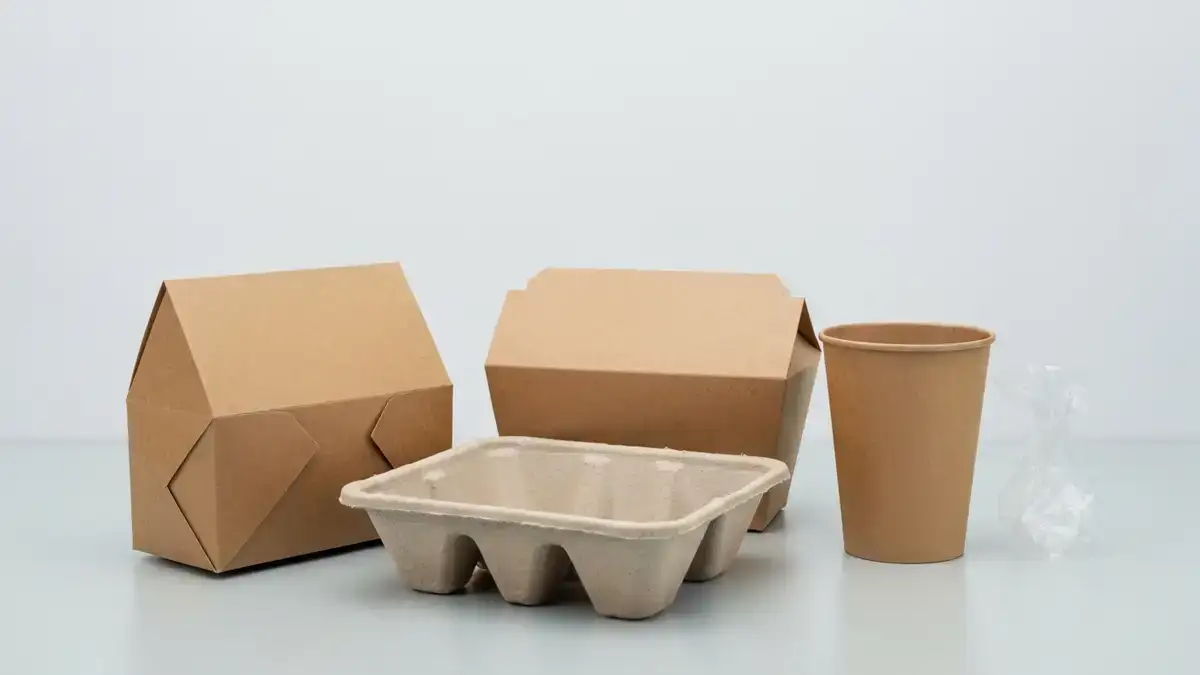
Paper packaging has become one of the most visible symbols of the war on single-use plastic. As brands race to swap out plastic wrap, trays and bottles for cartonboard and fibre, the trend even has a name — “paperisation.” For the forest sector, it looks like an unambiguous tailwind: more demand for pulp, board and molded fibre. But the closer you look, the more the promise of paperisation runs into a set of stubborn complications.
Why Paper Packaging Is Having a Moment
The appeal is easy to understand. Plastic packaging has become shorthand for a wasteful, fossil-based economy, while paper is renewable, familiar and widely perceived as the greener option. That perception is backed by consumer sentiment: a Pro Carton survey found that 72% of UK consumers prefer cartonboard or cardboard packaging over plastic, a striking margin that retailers and brand owners cannot ignore.
This shift is not just about optics. Regulatory pressure on single-use plastics, corporate sustainability targets and genuine consumer demand are all pushing in the same direction. The result is a steady migration of packaging formats from plastic to fibre, a story workingforest.com has tracked before in the plastic-versus-paper race. Real-world examples keep arriving, from molded-pulp trays to fibre-based lids replacing plastic on takeaway cups. Each substitution nudges demand toward the forest products supply chain.
The Recycling Reality Behind the Green Halo
Paper’s environmental case rests heavily on recyclability, and here the numbers are genuinely strong. According to Pro Carton’s recycling data, cartonboard and paper recycling in Europe reached about 83% in 2022 — a high-water mark that puts paper among the most-recycled packaging materials in the world.
That performance is the foundation of paper packaging’s green halo, and it is a real advantage over most plastics, which are recycled at far lower rates. Industry groups note that paper is recycled more than any other packaging material, reinforcing the circular-economy argument that brands and forest producers lean on. A well-designed paper carton that actually makes it back into the recycling stream can be turned into new fibre products multiple times, and each loop keeps material out of landfill while sustaining demand for recovered fibre.
For forest producers, that circularity is part of the pitch: sustainably managed fibre feeding a recyclable, renewable packaging system that consumers already trust. The catch is that the headline recycling rate applies most cleanly to plain paper and board — and a growing share of “paper” packaging is not plain at all.
The ‘False Solution’ Critique
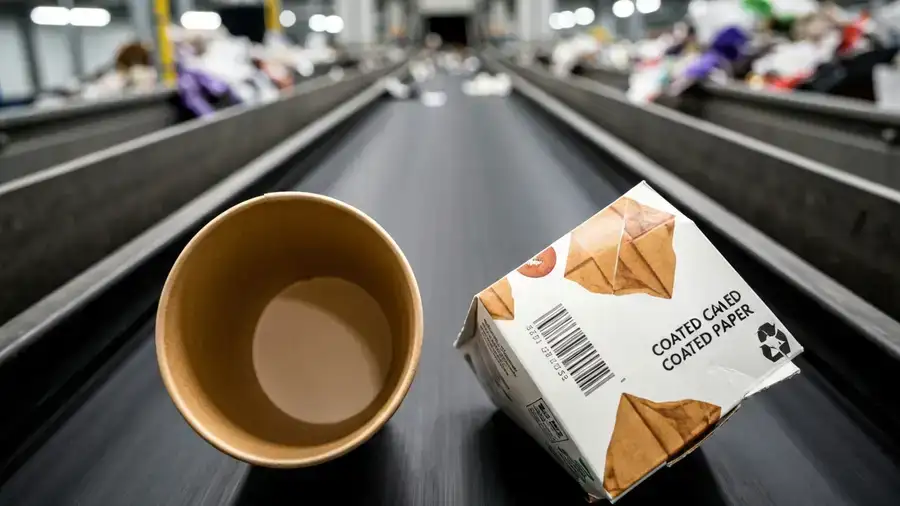
The counterargument is blunt. Environmental groups have argued that disposable paper-based food packaging can be a false solution to the packaging waste crisis, precisely because so much of it is not just paper. To hold liquids, resist grease and extend shelf life, many paper cups, cartons and food wrappers are lined with plastic films or built from composite layers. Those coatings are exactly what make the material difficult to recycle, and in many cases they route “paper” packaging straight to landfill or incineration.
That is the peril half of paperisation: a switch that looks green on the shelf can underperform once the coatings, laminates and mixed materials are accounted for. Simply relabelling a package as paper does not guarantee a better environmental outcome, and critics warn that unchecked substitution risks trading a visible plastic problem for a hidden composite one.
What Paperisation Means for the Forest Sector
For forest products companies, the trend is still a net opportunity — but a nuanced one. Rising demand for fibre-based packaging supports pulp, board and molded-fibre producers, and it rewards investment in materials that are recyclable by design rather than plastic-lined by default. The sustainability questions extend to the raw material itself, a debate that surfaces whenever the industry asks whether bamboo is the answer or whether conventional wood fibre remains the better base.
Industry advisers caution that the pivot is not simple. Jamie Stone, a sustainability partner at PA Consulting, has described the move to paper and fibre as a minefield for businesses, which must weigh deforestation concerns, cost and overall sustainability while navigating a fast-evolving regulatory landscape. In other words, paperisation is not a guaranteed win — it is a design and sourcing challenge.
The opportunity, then, is not simply to make more paper packaging, but to make better paper packaging. Producers that invest in mono-material fibre, water-based or dispersible barrier coatings, and formats engineered for real-world recovery stand to capture the durable end of the demand curve. Those that merely swap a plastic package for a plastic-lined paper one risk being caught out as regulators and retailers tighten recyclability standards. For a forest sector looking for growth, paperisation is a genuine opening — provided the industry designs for the recycling bin, not just the store shelf.
The takeaway for the forest sector is to lean into the genuine strengths of paper packaging — renewability and high recyclability — while being honest about the coatings-and-composites problem that critics have flagged. Paperisation offers a real demand tailwind, but its long-term credibility depends on making packaging that is not just paper in name, but recyclable in practice.