Webinar on the New National Forest Management Standard
|

|
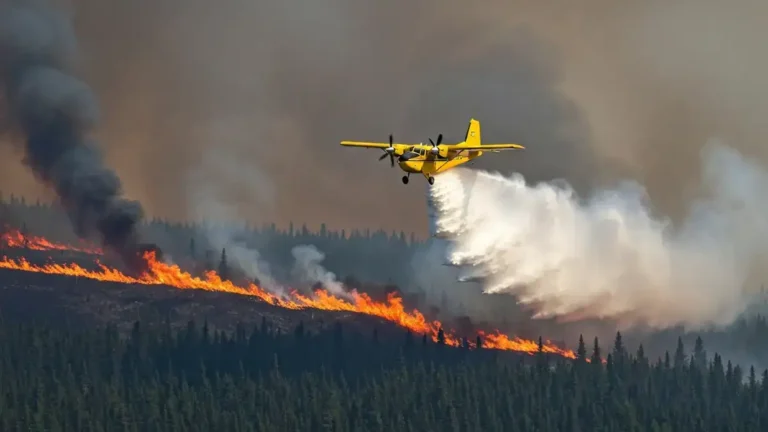
Carney convened the Incident Response Group on Canada’s wildfires as hundreds of fires burn nationwide and Ottawa backs Ontario’s air-evacuation effort in the north.

The Border 2 Fire has crossed from Washington’s North Cascades into B.C., a lightning-caused blaze now at 121 hectares burning in steep, remote terrain near Hozomeen.

Ontario’s 2026 wildfire season is the worst on record, with 7,250+ sq km burned — most in just 10 days — and forecasters warn no full reprieve is coming.
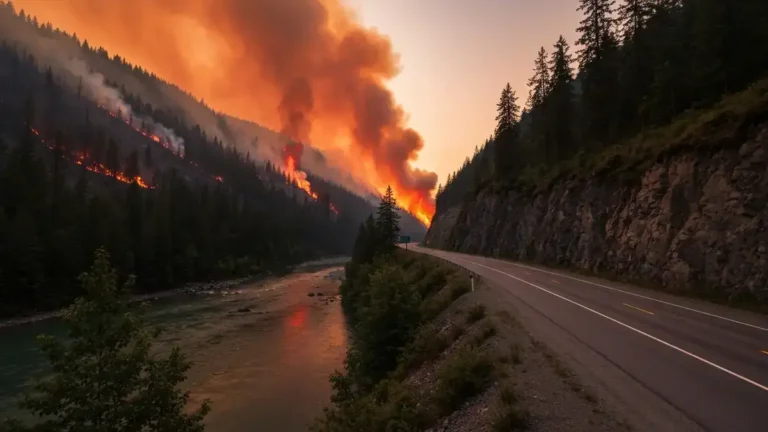
The Brunswick Creek wildfire widened Fraser Canyon evacuations as a new fire south of Boston Bar quadrupled overnight to 4,332 ha and closed Highway 1.
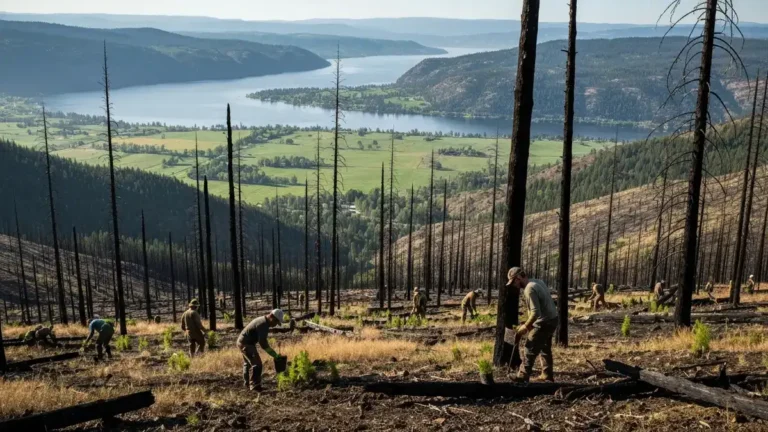
The Osoyoos Indian Band has planted more than 900,000 trees this year to restore land burned by the 2021 Nk’Mip Creek wildfire under Canada’s 2 Billion Trees Program.
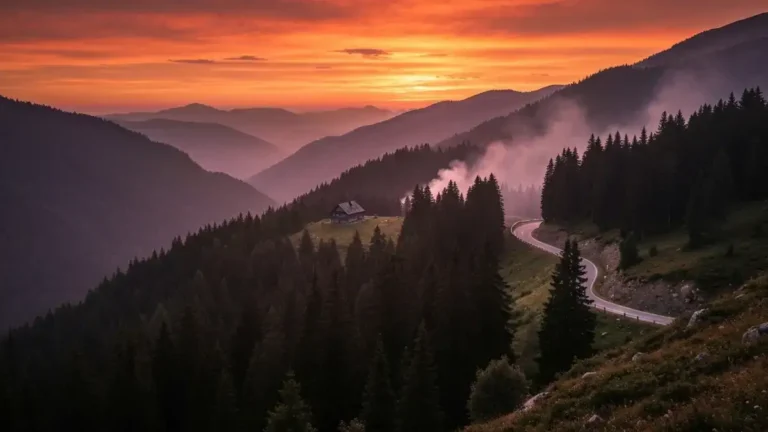
BC wildfires have placed 600 properties under evacuation order and 5,700 on alert after 34,000 lightning strikes ignited 85 fires across the province.